
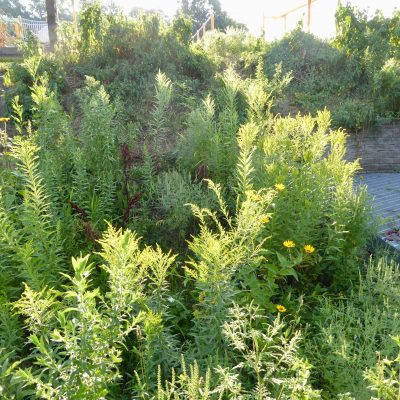
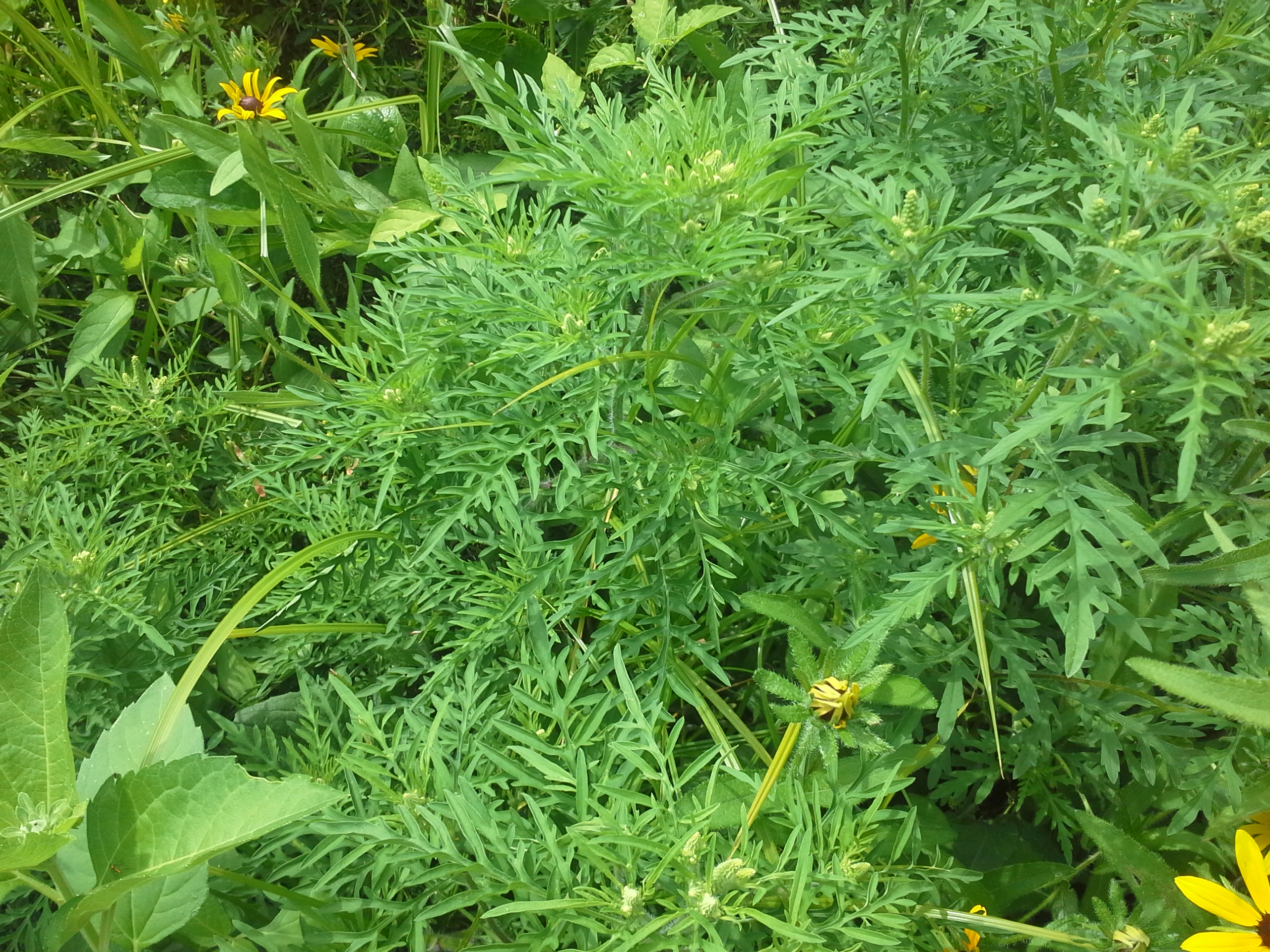
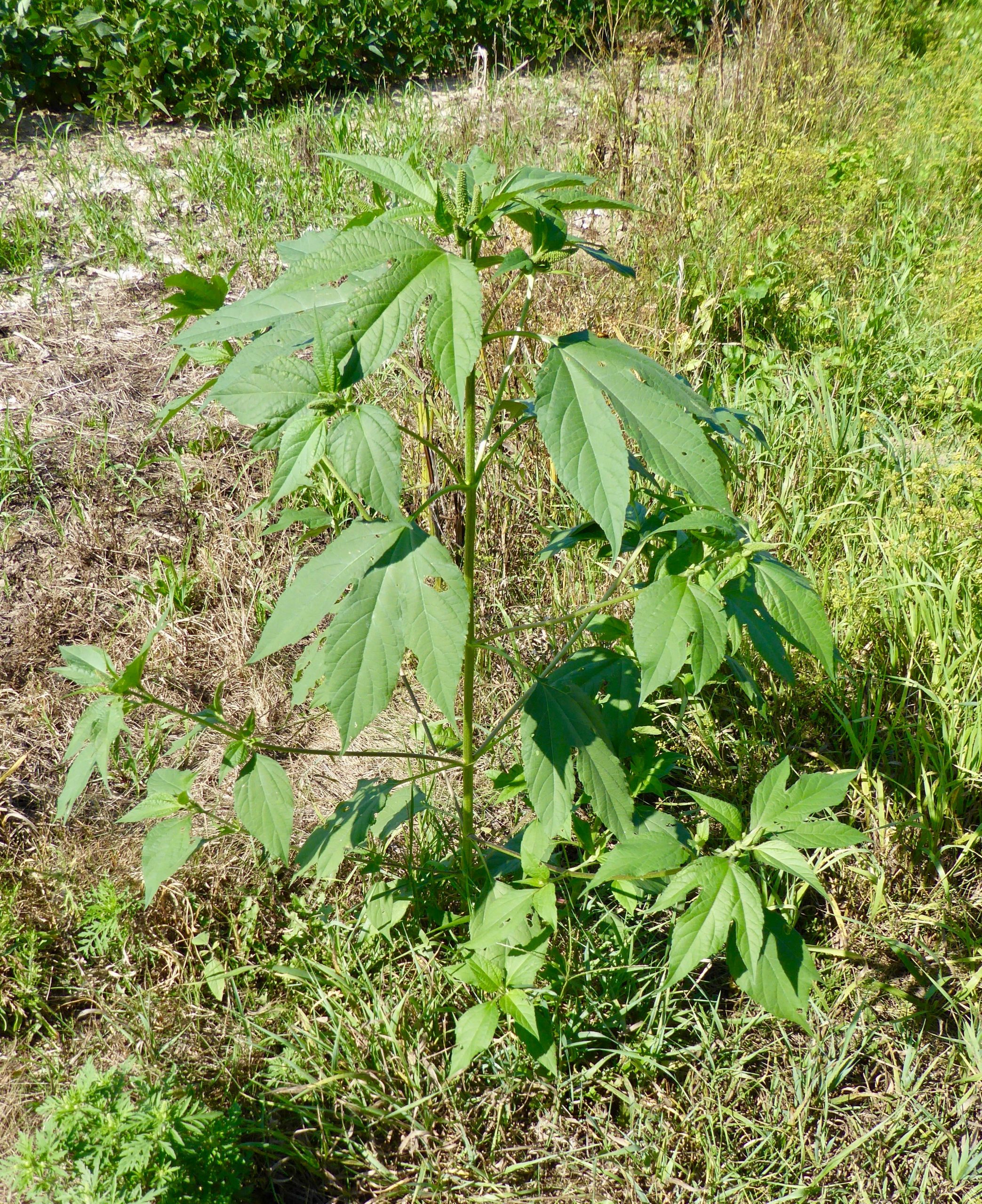



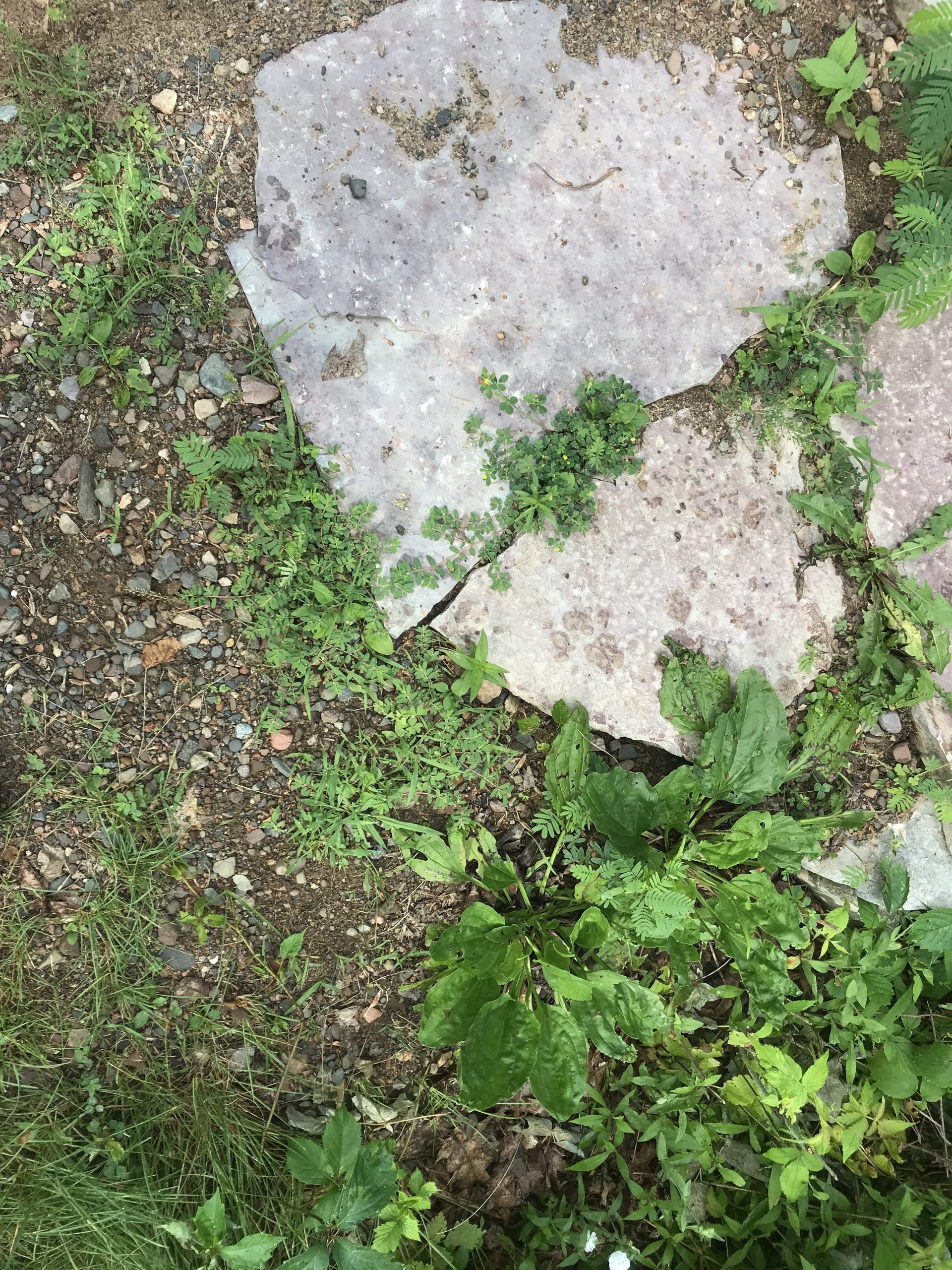
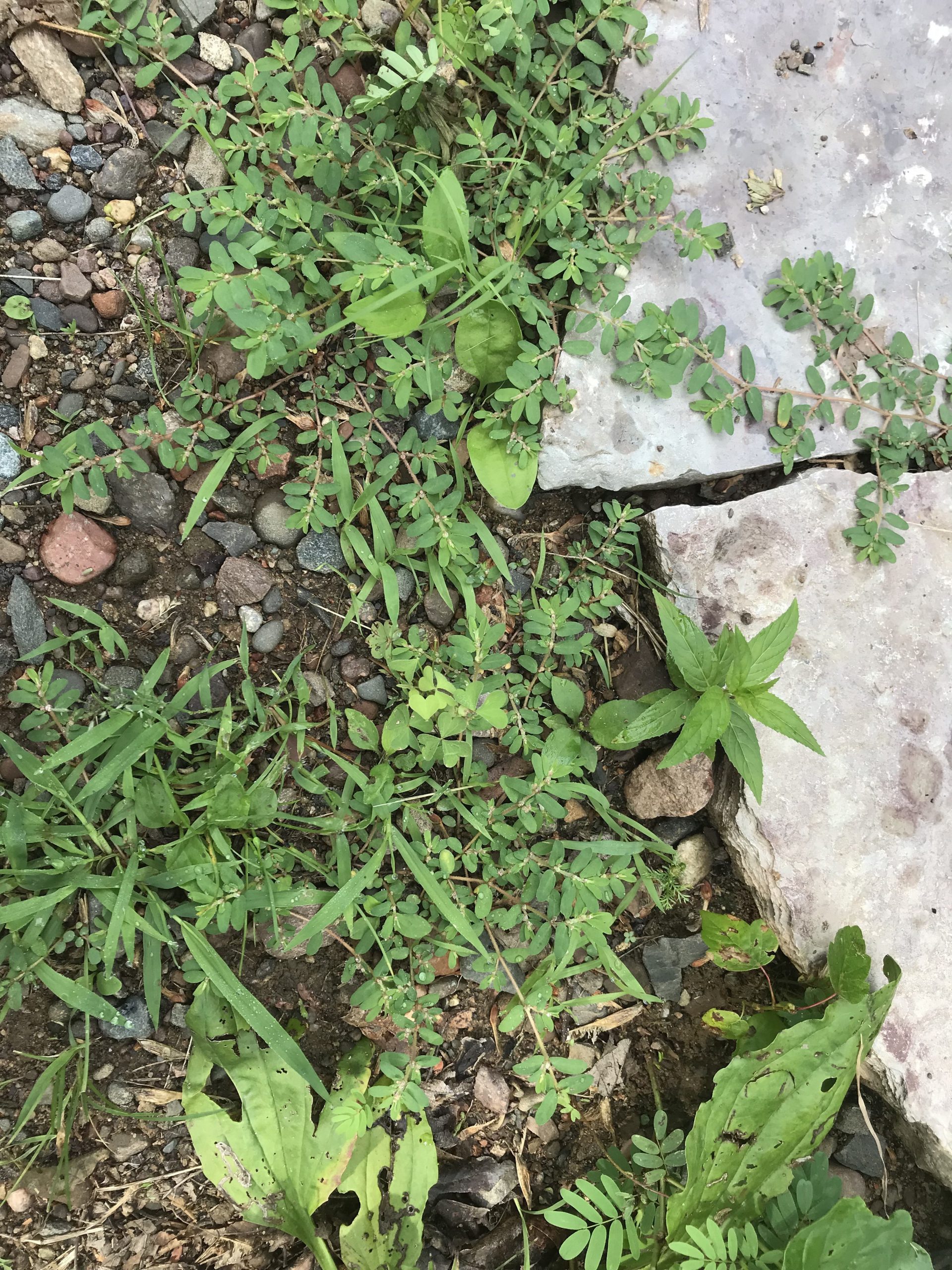
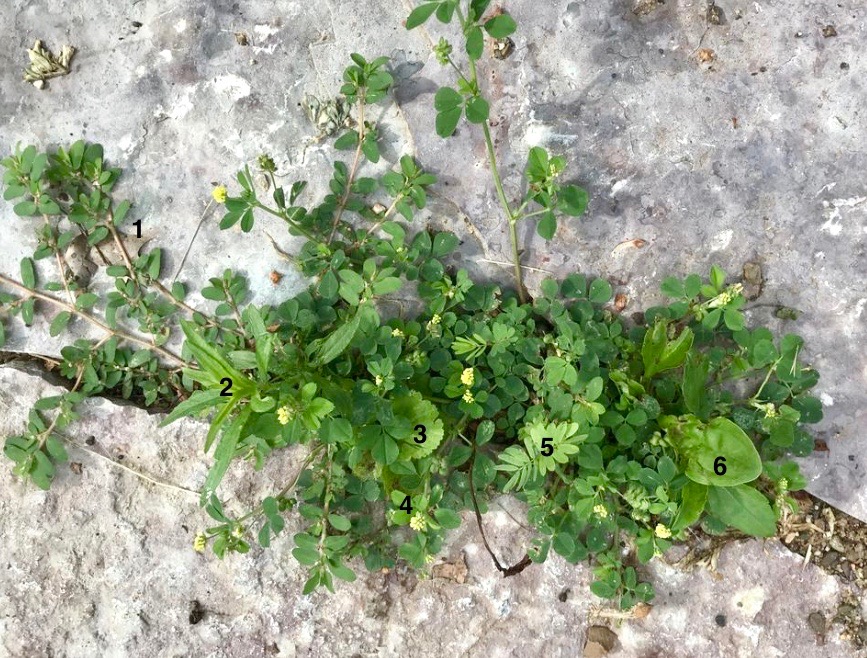
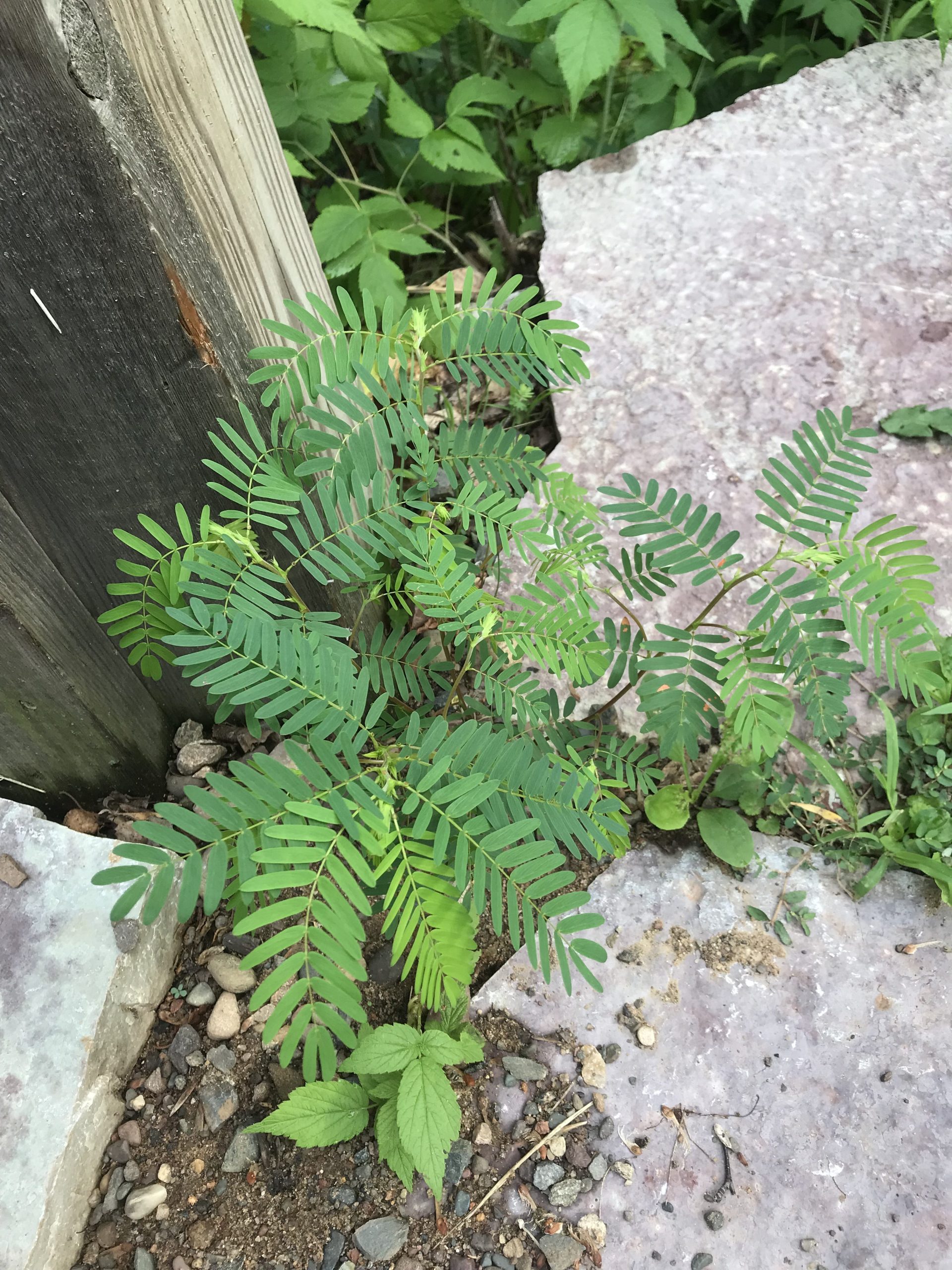
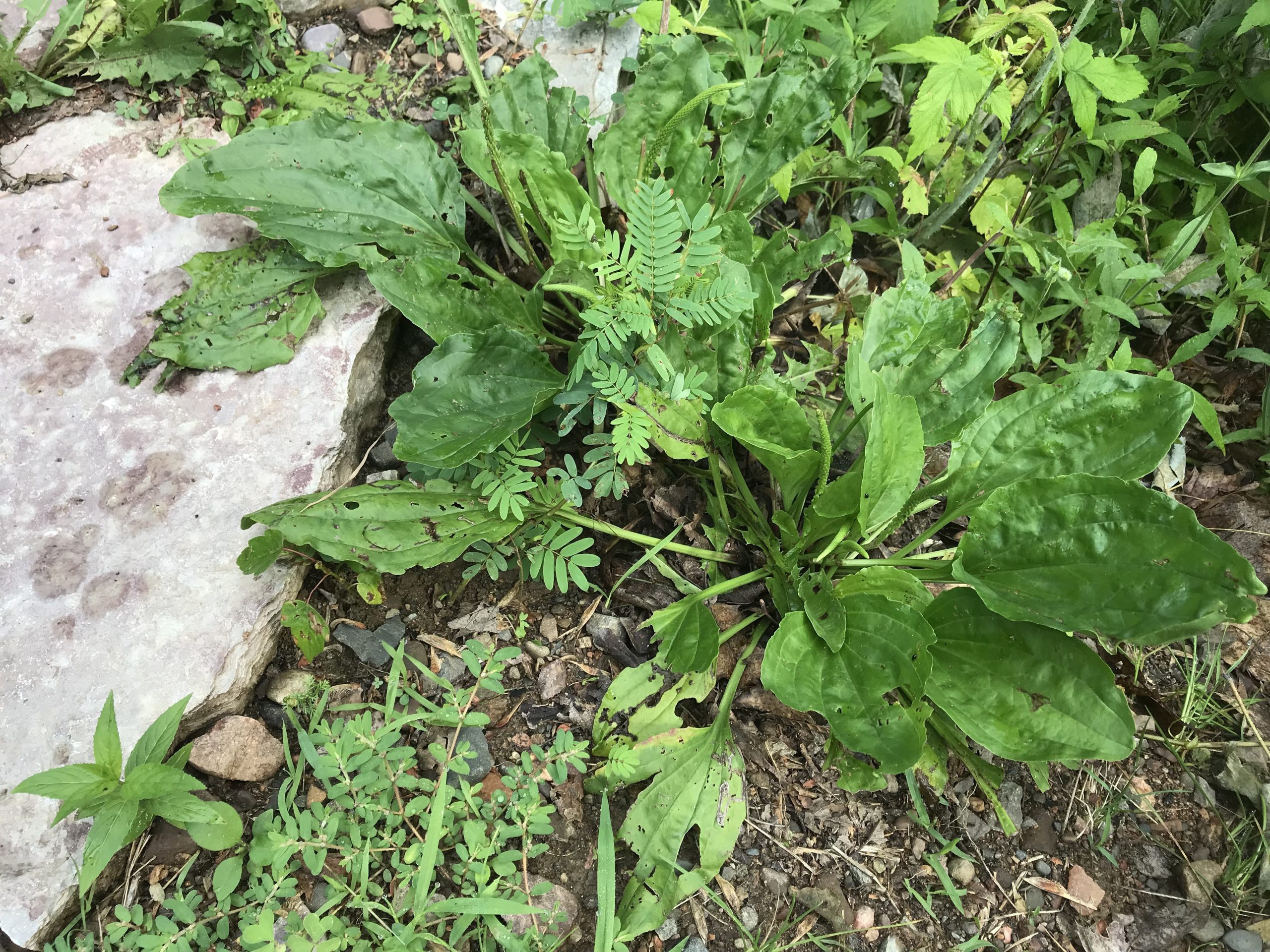

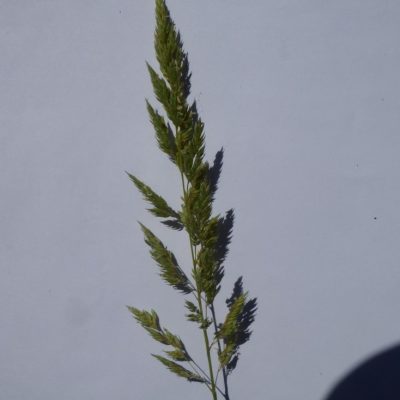
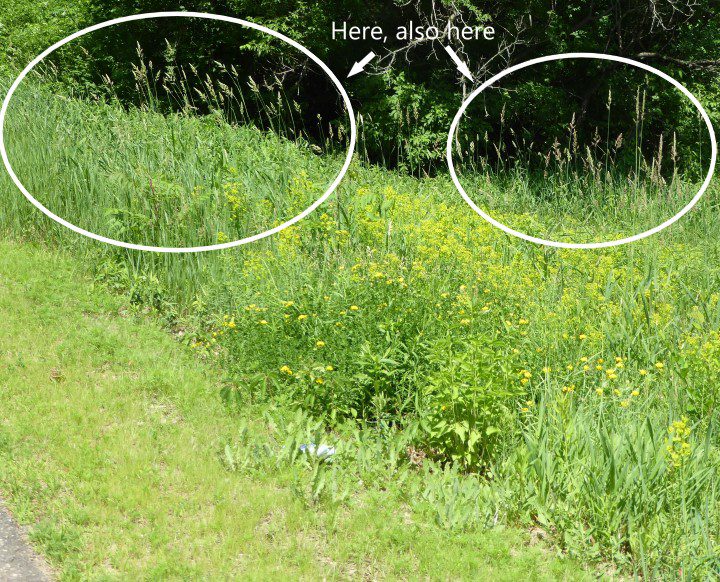
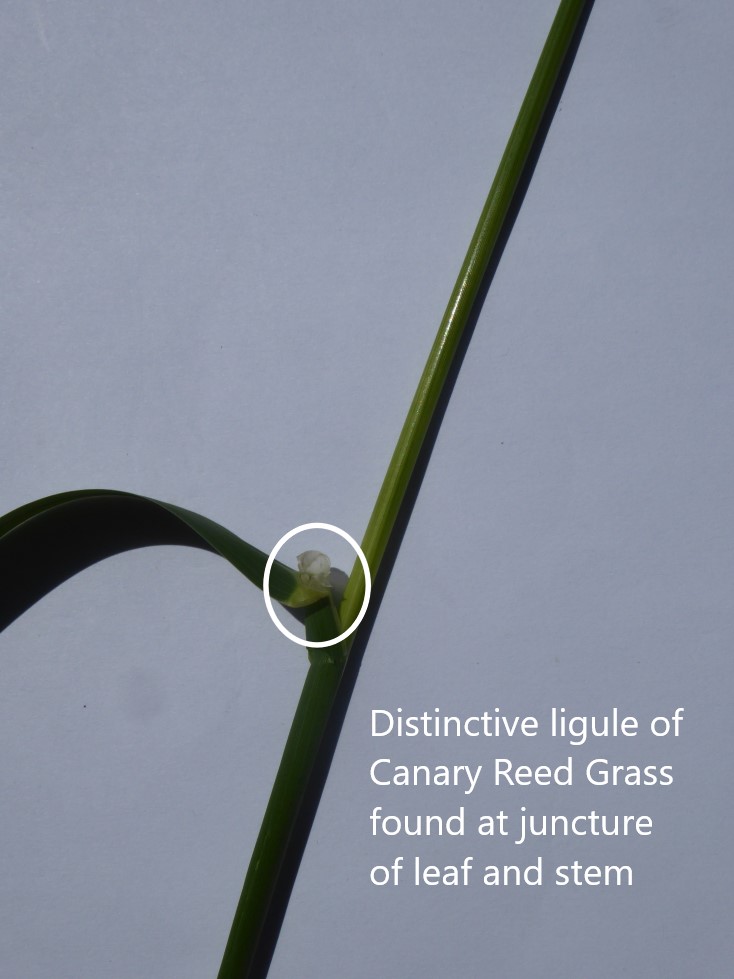
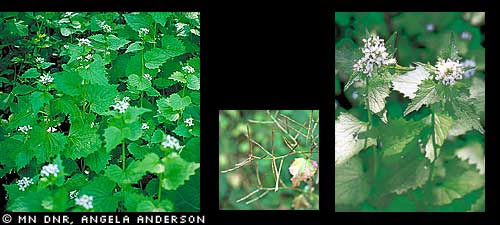

Weeds. They can be daunting at times, especially when you’re looking at your garden or yard thinking, these can’t ALL be weeds, can they?! Weeds can be tricky to identify, so the first step is knowing what those common weeds look like. Generally, weeds are split into two categories: cool season weeds, and warm season weeds. We’re well into the warm season now, so I’ll cover the common ‘warm season’ weeds below. However, if you want to know more about cool-season weeds, check out our blog post on that.
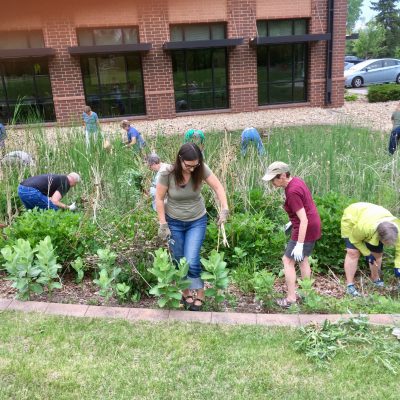
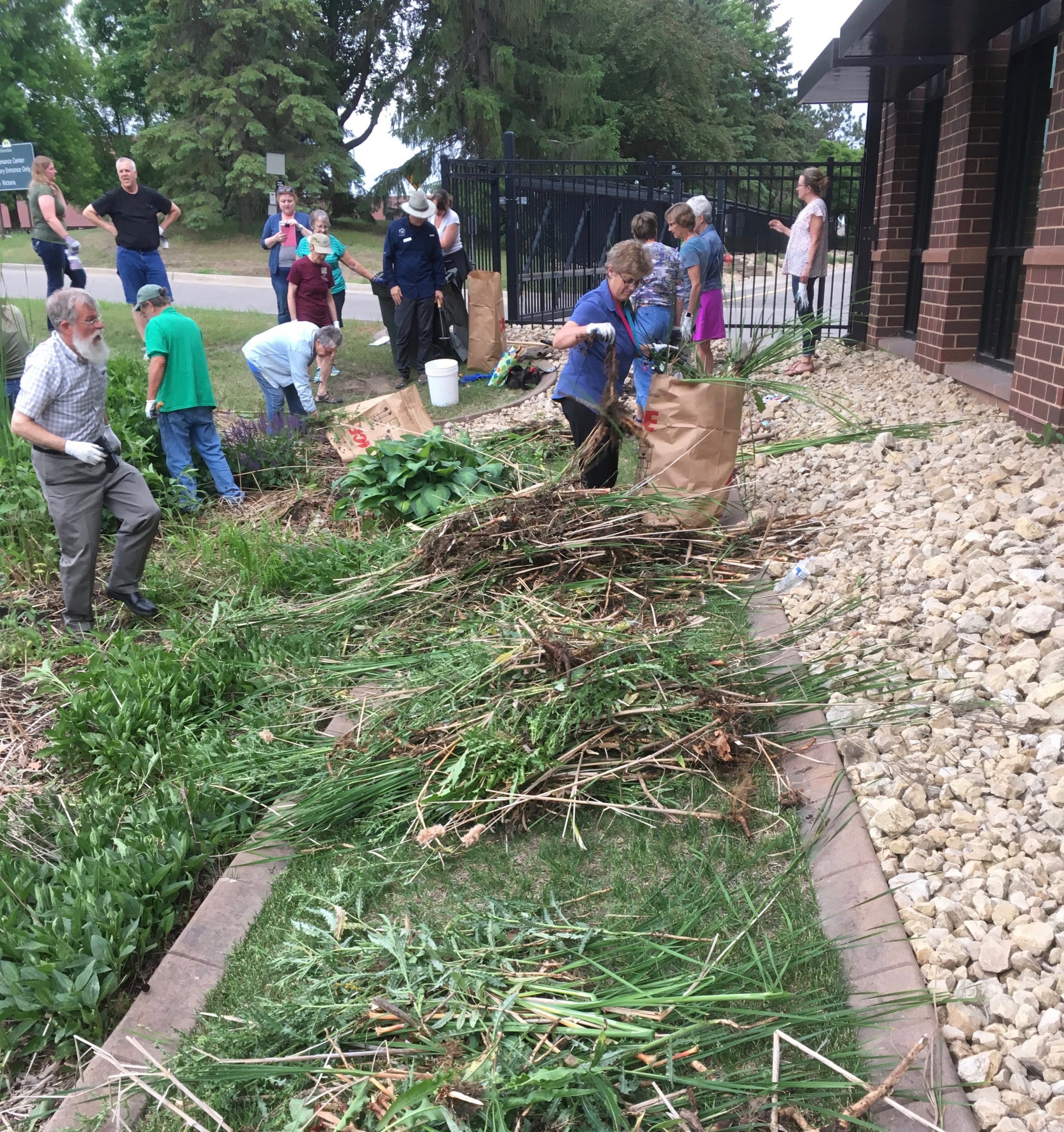
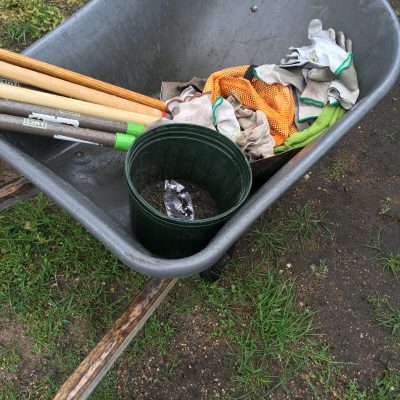
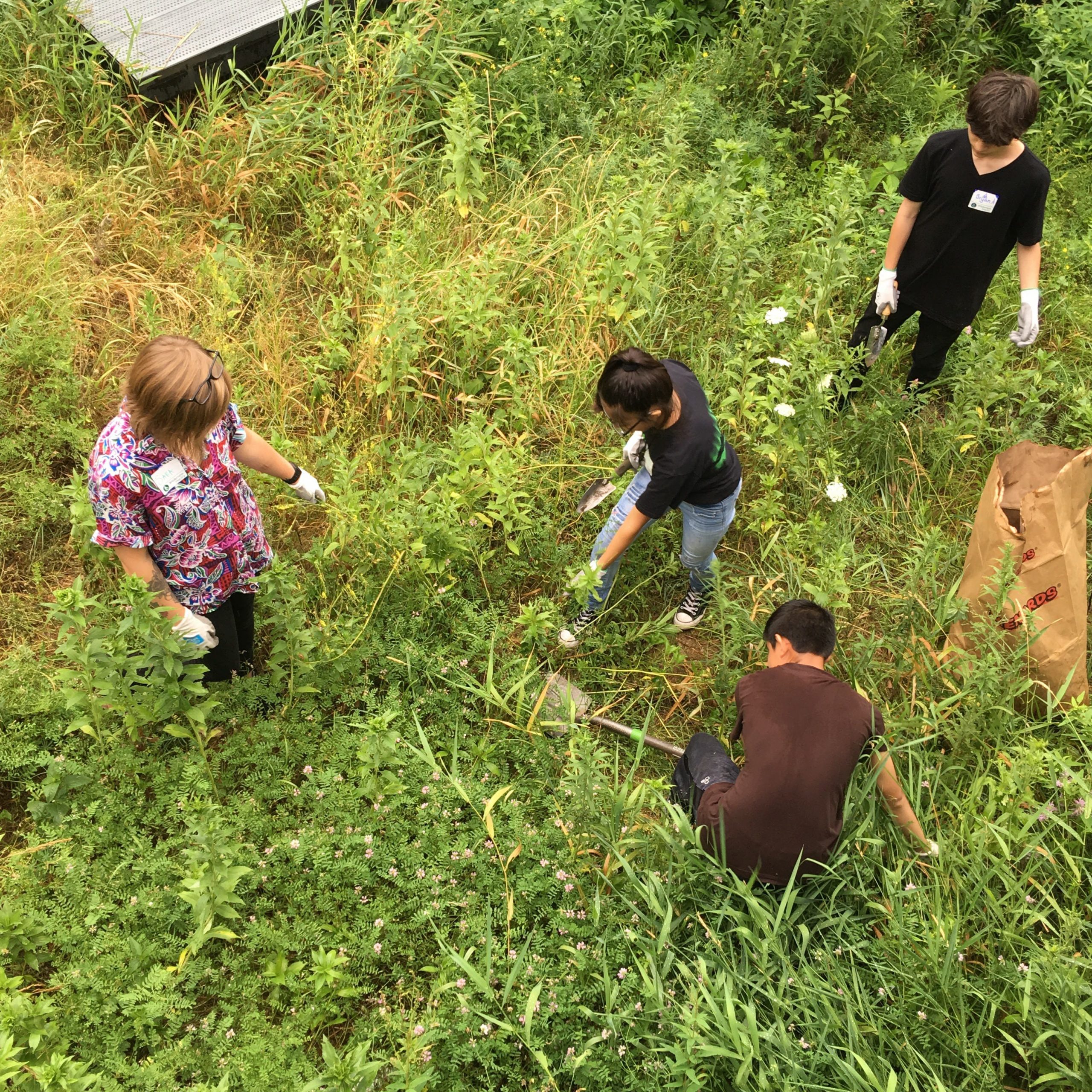
In general, our recommended weed-elimination method is hand pulling. I know, it can be a lot of work, but it’s also an excuse to spend nice summer evenings outside creating a beautiful garden without the use of chemicals.
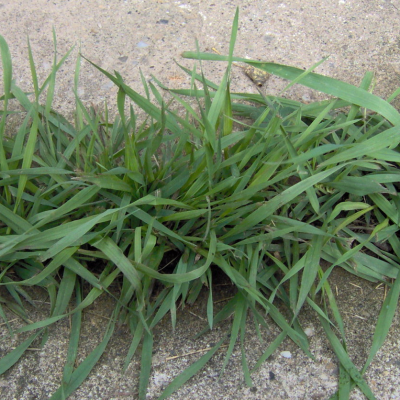
Quackgrass: Hard to eliminate perennial grass. Be careful not to break the rhizomes when you dig it up, or you’ll have hundreds of new shoots.
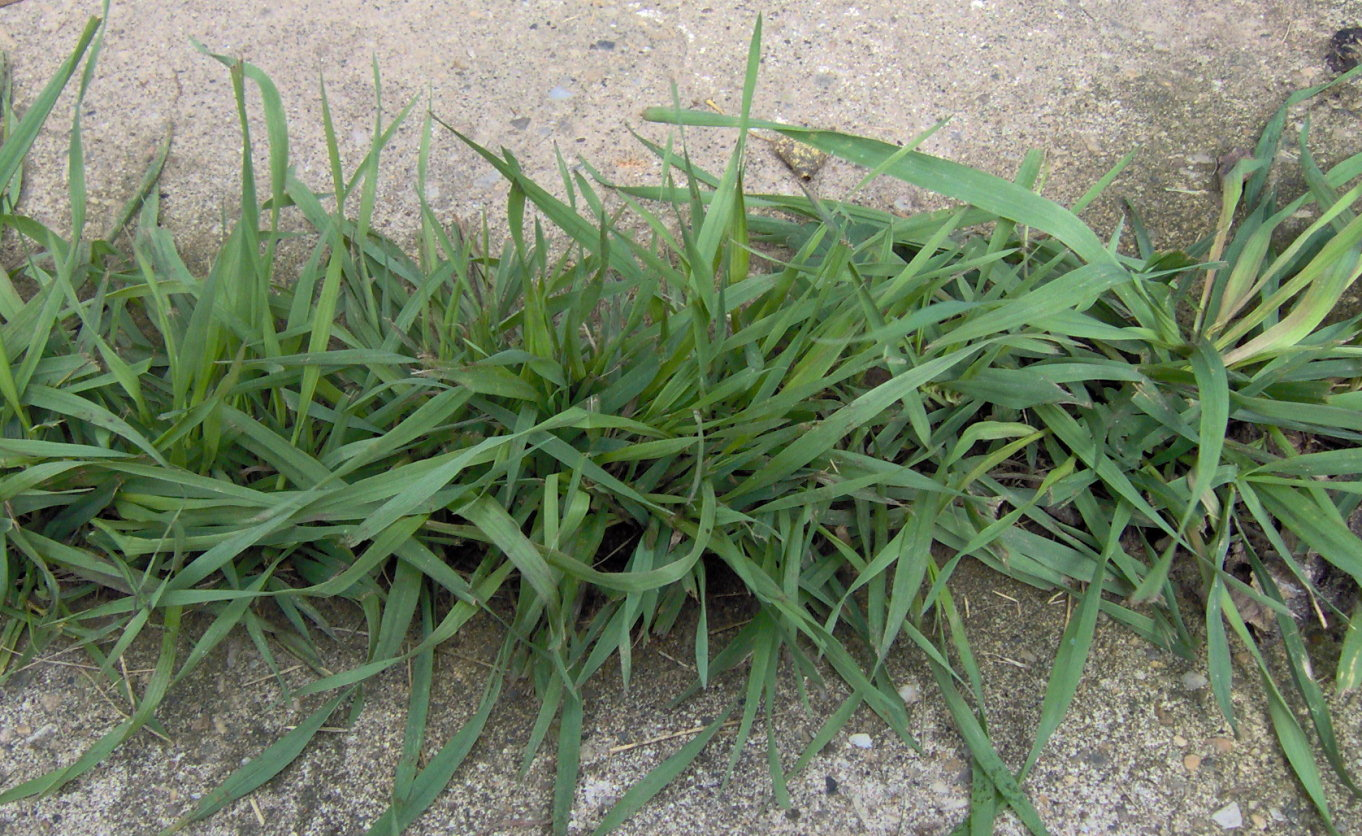
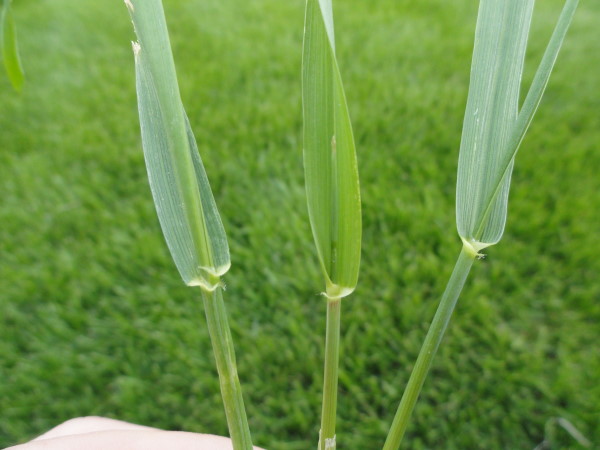
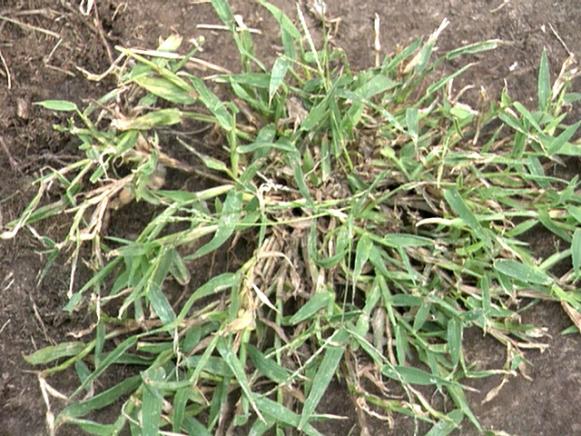
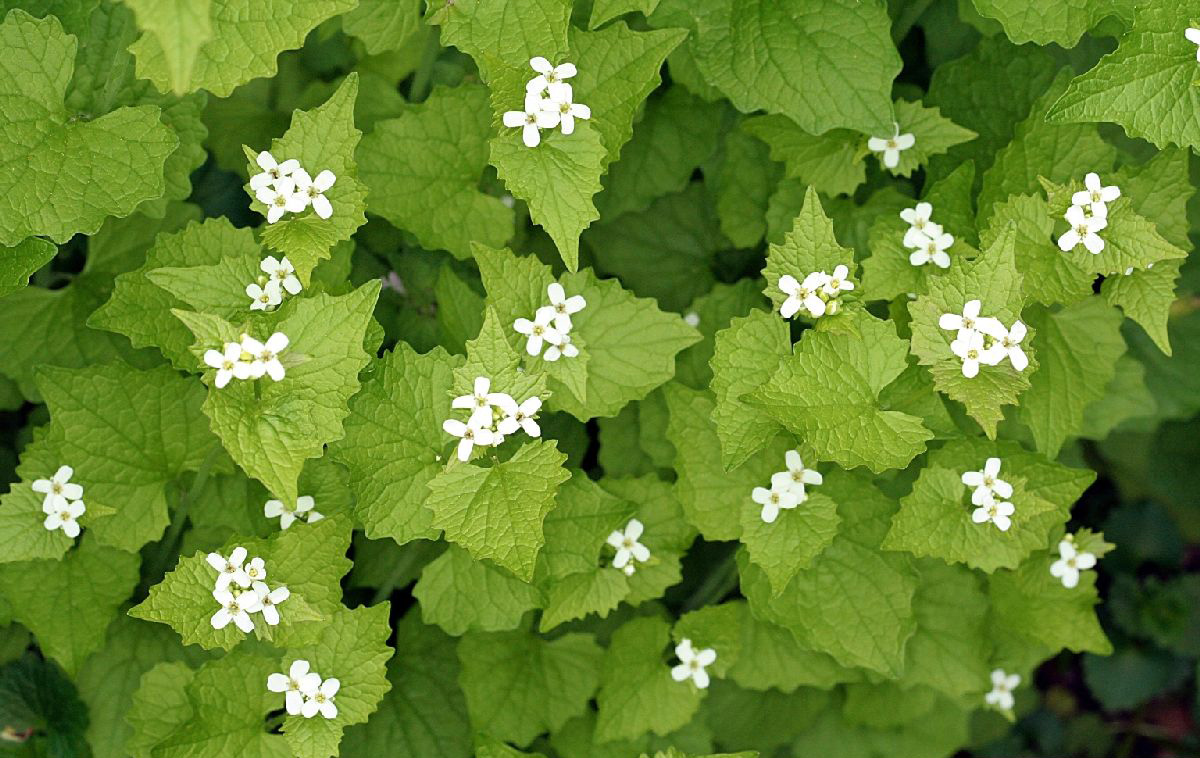
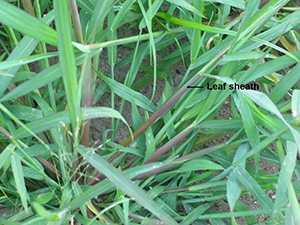

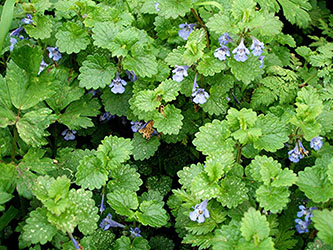
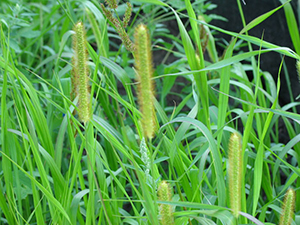
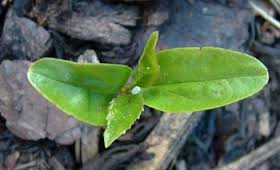
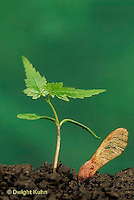
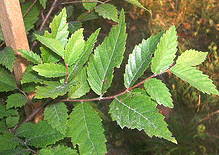
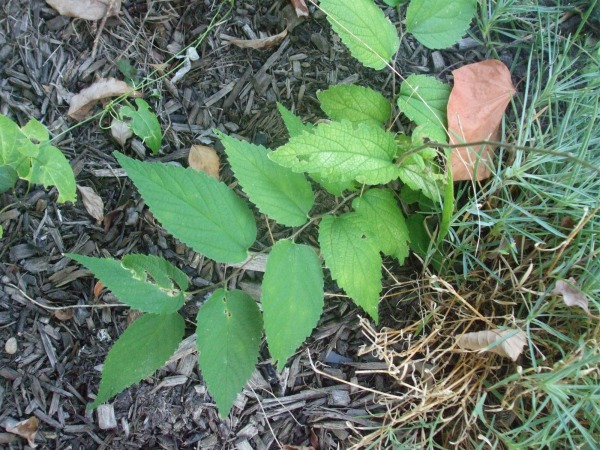
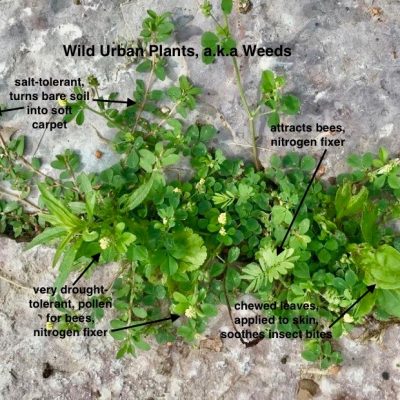
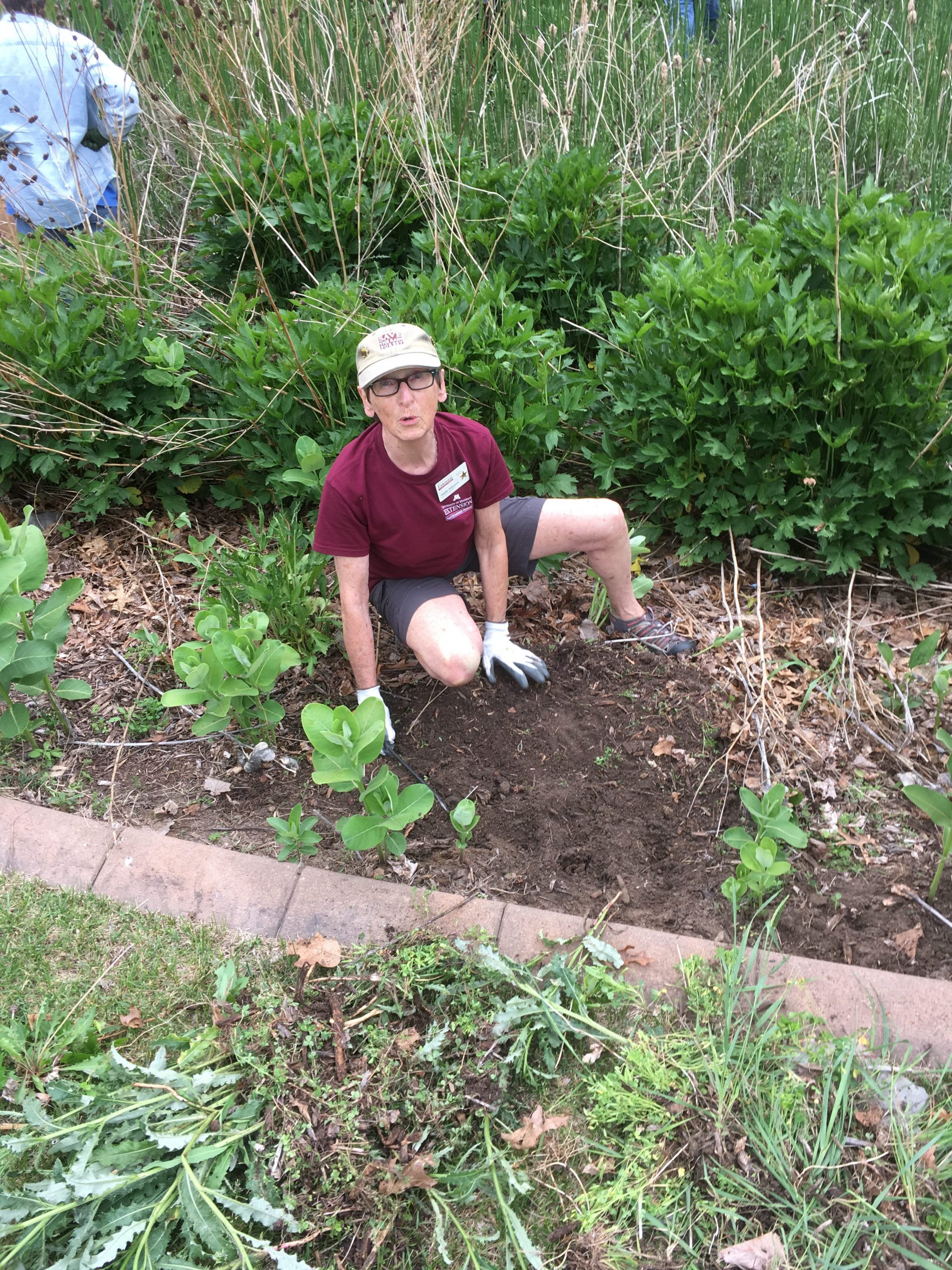
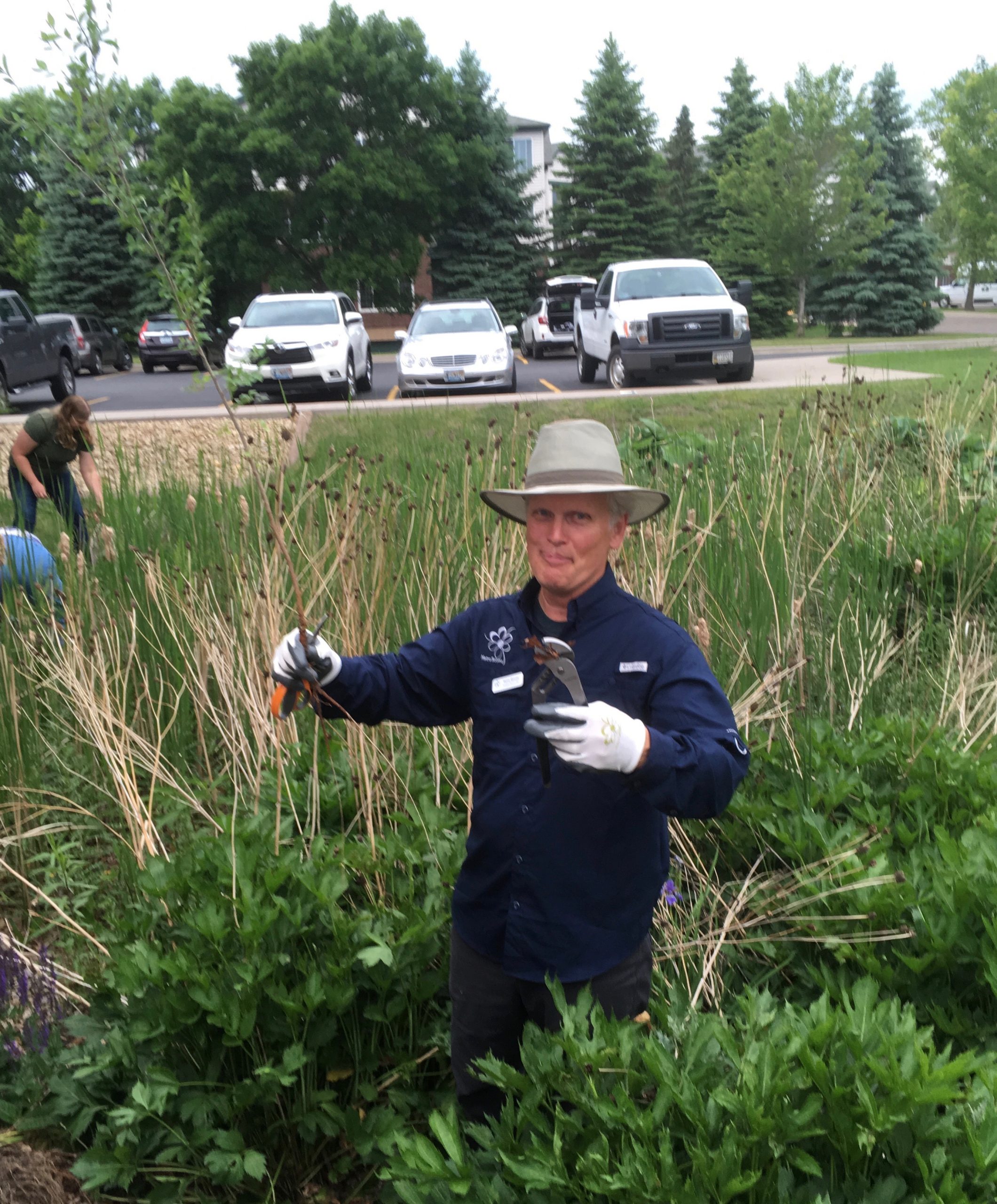
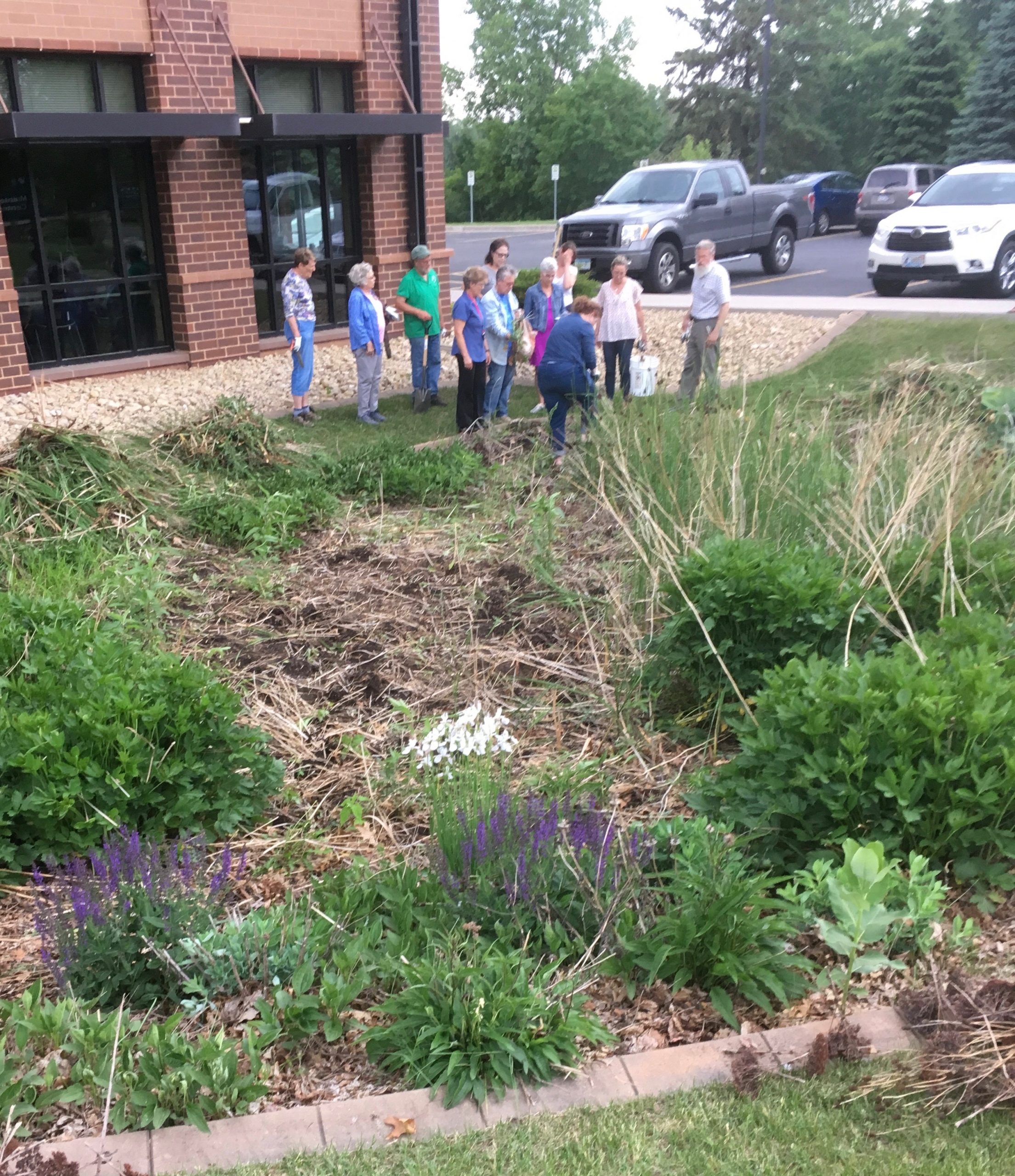
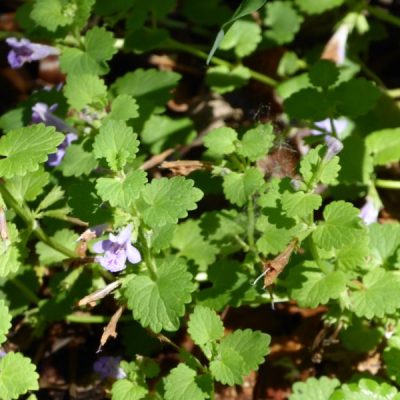
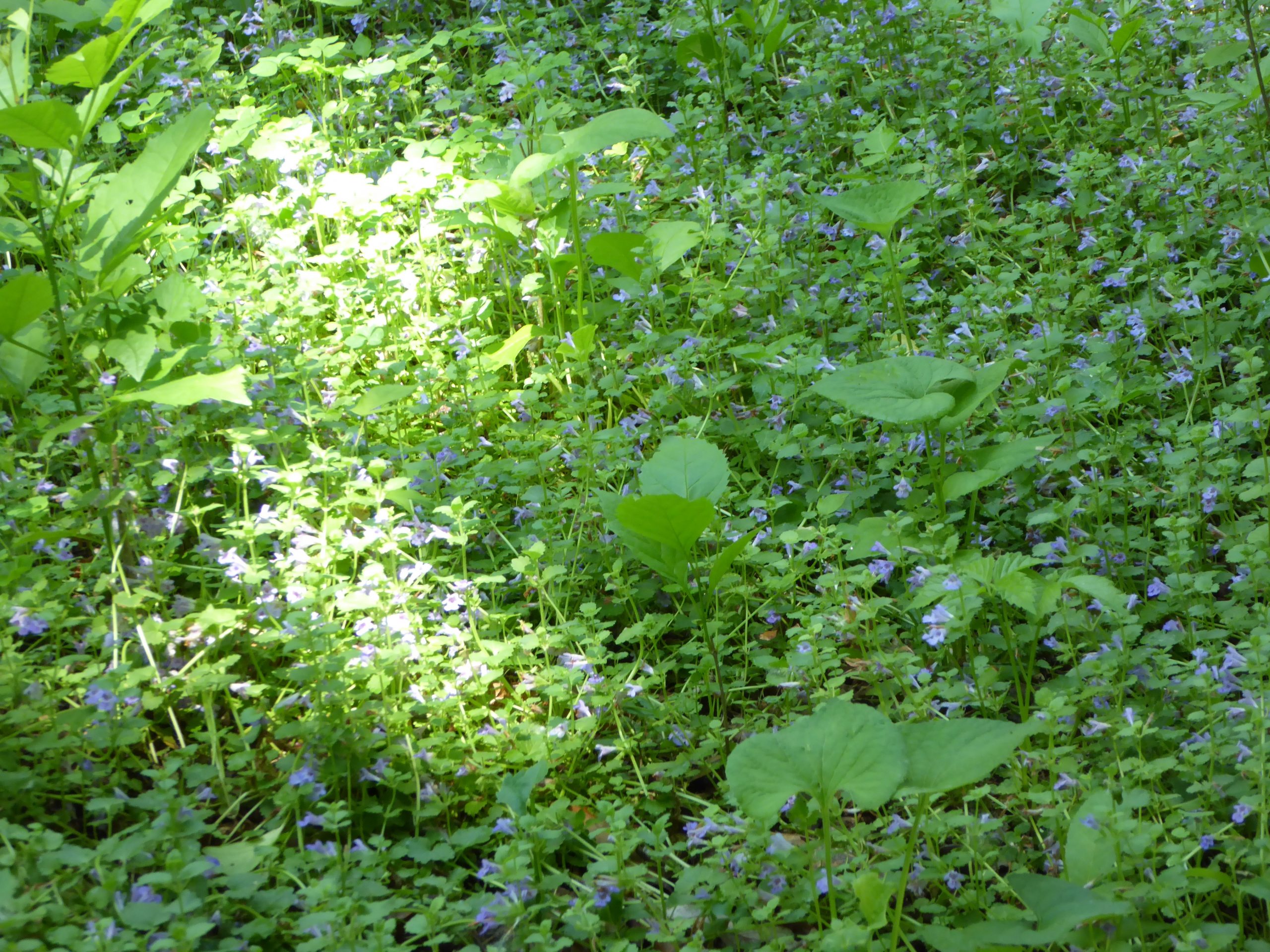
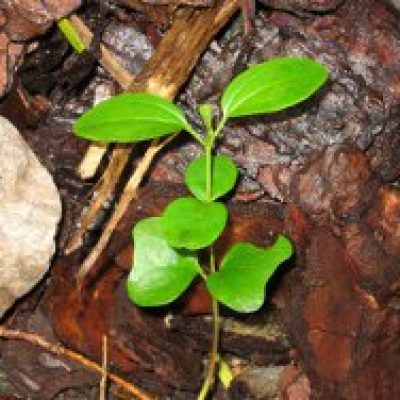
 Pull Weeds: Pull all warm-season weeds (crab grass, creeping charlie – pictured, foxtail) and volunteer trees (ash, elm, hackberry, boxelder, buckthorn) prior to the Fourth of July (eek, don’t worry you can still pull them now, and should as soon as you see them pop up; besides we all know weeds don’t just stop growing after the 4th of July!). Monitor weed emergence throughout the growing season and pull as necessary.
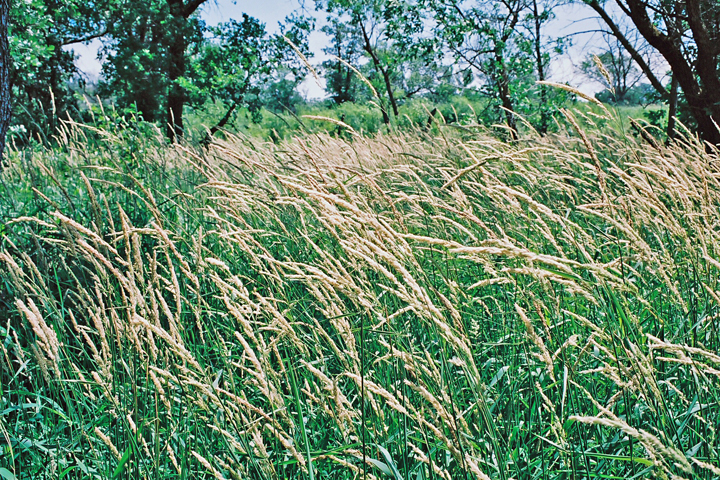
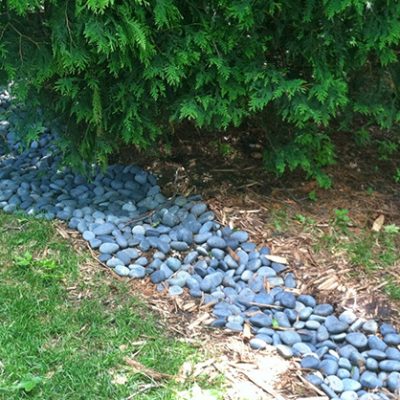
 Inspection: After large rain events, make sure the garden is draining in less than 24 hours. Always inspect for signs of erosion throughout the season. If erosion occurs, re-grade the eroded area and replant with a clump-forming grass or sedge, such as Side-Oats Grama, ‘Karl Forester’ Feather Reed Grass, or Bebb’s Oval Sedge. If the erosion continues, place large cobblestones or boulders in the eroded area. This will minimize the incoming water’s energy. Pay close attention to the side-slops of the garden as these areas are especially susceptible to erosion.


